
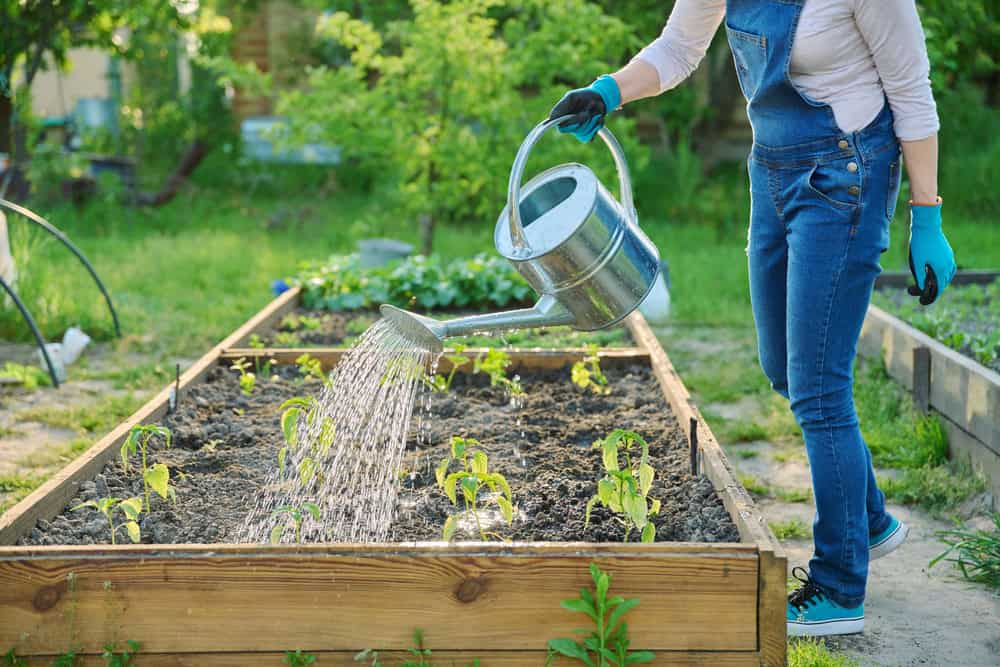
Space-Saving Vegetable Gardens for Small Yards
Growing your own vegetables doesn’t require a massive backyard or a homestead. With a little creativity and smart design, even the smallest outdoor space, or sunny balcony, can produce a healthy, abundant harvest. In this guide, you'll find practical and effective ideas for building your own small vegetable garden using compact layouts, container systems, and vertical gardening techniques.
Why Grow a Vegetable Garden in a Small Space?
Urban and suburban gardeners are increasingly turning to small-scale edible gardening for good reasons:
- Fresh, organic produce at your fingertips: Enjoy the satisfaction of harvesting your own ingredients.
- Lower grocery bills and better food quality: Freshly picked vegetables are more nutritious and flavorful.
- Satisfying hands-on experience for adults and kids: Gardening promotes mindfulness, responsibility, and a sense of accomplishment.
- Supports pollinators and local ecosystems: Even a few plants can benefit bees, butterflies, and birds.
Whether you live in an apartment with a patio or a home with limited yard space, edible gardening is entirely possible with a plan.
Planning Your Small Vegetable Garden
Assess Light and Space
Most vegetables require 6–8 hours of sunlight daily. Identify your sunniest spot before planting. Consider:
- Balcony corners: Great for pots and hanging baskets.
- Driveway edges: Can accommodate raised beds or grow bags.
- Rooftop decks: Offer plenty of light but may require wind protection.
- Side yards: Often underused, but great for vertical beds.
- Window boxes: Perfect for herbs and shallow-rooted greens.
Measure the space to determine what type of containers or beds will fit and how many plants can grow without overcrowding.
Pick the Right Crops
Focus on vegetables that:
- Thrive in containers or raised beds
- Offer high yields per square foot
- Are compact or dwarf varieties
Great small-space crops include:
- Lettuce, spinach, kale: Fast-growing and harvestable in stages.
- Cherry tomatoes: Productive and thrive in pots.
- Radishes and carrots: Great for deep containers.
- Bush beans and peppers: Compact yet prolific.
- Herbs like basil, parsley, and thyme: Easy and space-efficient.
Avoid large vine crops like pumpkins or sprawling squash unless you have vertical structures to support them.
Space-Saving Vegetable Garden Ideas
Raised Bed Gardening in Tight Spaces
Raised beds are ideal for small yards or patios. Benefits include:
- Controlled soil quality and drainage: Perfect for compact or poor soil areas.
- Narrow designs: Beds as narrow as 18–24 inches can fit in alleyways or walkways.
- Dense planting: Maximizes productivity with minimal square footage.
- Companion planting: Increases yield and deters pests naturally.
Use untreated cedar, galvanized steel, or recycled composite boards to build long-lasting beds.
Vertical Gardening for Edibles
Vertical gardening lets you grow more with less horizontal space. Try:
- Wall-mounted pocket planters: Ideal for lettuce, herbs, and strawberries.
- Trellises and towers: Great for peas, cucumbers, pole beans, and tomatoes.
- Stacked crates or shelves: Multi-level growing with easy access.
- Hanging baskets: Excellent for cherry tomatoes, peppers, or basil.
Going vertical adds beauty, functionality, and airflow to your garden design.
Container Vegetable Gardening
Container gardening offers flexibility and mobility. Use:
- Fabric grow bags: Affordable, breathable, and easy to store.
- Self-watering containers: Help maintain even moisture.
- Terracotta or ceramic pots: Stylish but heavier; great for stability.
- Wooden boxes or barrels: Add rustic charm.
Be sure containers are at least 8–12 inches deep, with drainage holes and saucers to protect surfaces.
Square Foot Gardening
This method is perfect for raised beds and tight quarters. Key features:
- Grid layout: Divide the bed into 1'x1' sections.
- Efficient spacing: Avoids wasting space or overplanting.
- Crop rotation: Prevents pest buildup and soil depletion.
- Succession planting: Harvest one square and replant quickly.
Square foot gardening is beginner-friendly and maximizes every inch of soil.
Soil and Water Considerations
Healthy soil and consistent watering are the foundation of a successful vegetable garden:
- Use high-quality potting mix or raised bed soil: Enriched with compost and organic matter.
- Add amendments: Worm castings, aged compost, and bone meal boost fertility.
- Mulch the surface: Retains moisture and reduces weeds.
- Drip irrigation or soaker hoses: Efficient and water-wise.
- Water in early morning: Minimizes evaporation and plant stress.
Test soil annually and adjust nutrients based on plant needs.
Seasonal Planting Tips
Timing is everything in small gardens:
- Spring/Fall: Grow cool-weather crops like lettuce, spinach, arugula, carrots, and radishes.
- Summer: Focus on heat-lovers like tomatoes, peppers, eggplant, beans, basil, and cucumbers.
- Succession planting: Stagger crops every 2–3 weeks to extend harvest.
- Interplanting: Combine fast-growers (radish) with slow-growers (carrot) in the same bed.
Keep a garden journal to track timing and crop performance each season.
Common Mistakes in Small Veggie Gardens
Avoid these pitfalls to ensure your garden thrives:
- Overcrowding: Leads to disease, poor airflow, and nutrient competition.
- Improper container size: Too-small pots limit root growth and yield.
- Inconsistent watering: Causes stress and blossom drop.
- Planting in low light: Sun-loving veggies won't thrive in shady corners.
- Skipping support structures: Vines need trellises or cages to stay healthy.
Plan smart and adjust as needed to get the most from your space.
Decorating and Enhancing Your Edible Space
Your small vegetable garden can be productive and beautiful:
- Mix in flowers: Add pollinator-friendly blooms like marigolds, nasturtiums, or calendula.
- Use decorative containers: Coordinate colors and shapes for visual cohesion.
- Add focal points: A rustic trellis, colorful crate, or garden sign adds charm.
- Create seating: Add a bench or stool to enjoy your garden oasis.
A well-designed garden is both nourishing and welcoming.
Related Reading
FAQs About Small Vegetable Gardening
How much food can I grow in a small garden?
With smart planning, even a 4x4 raised bed or 6–8 containers can yield multiple harvests of greens, herbs, tomatoes, and beans. Using vertical space and succession planting increases output dramatically.
Can I grow vegetables on a patio or balcony?
Yes! Just be sure to use containers with good drainage, choose compact varieties, and place them in the sunniest spot possible. Balcony rail planters and vertical systems work especially well.
Do I need special soil for container vegetables?
Yes! Always use potting mix or raised bed soil with compost. Avoid garden soil in pots as it compacts, drains poorly, and may harbor pests or diseases.
Call to Action
Ready to turn your small space into a fresh food paradise? Start sketching your layout and choose easy-grow vegetables that match your space and sunlight. Contact Yard and Soil if you need help designing your edible garden.
