
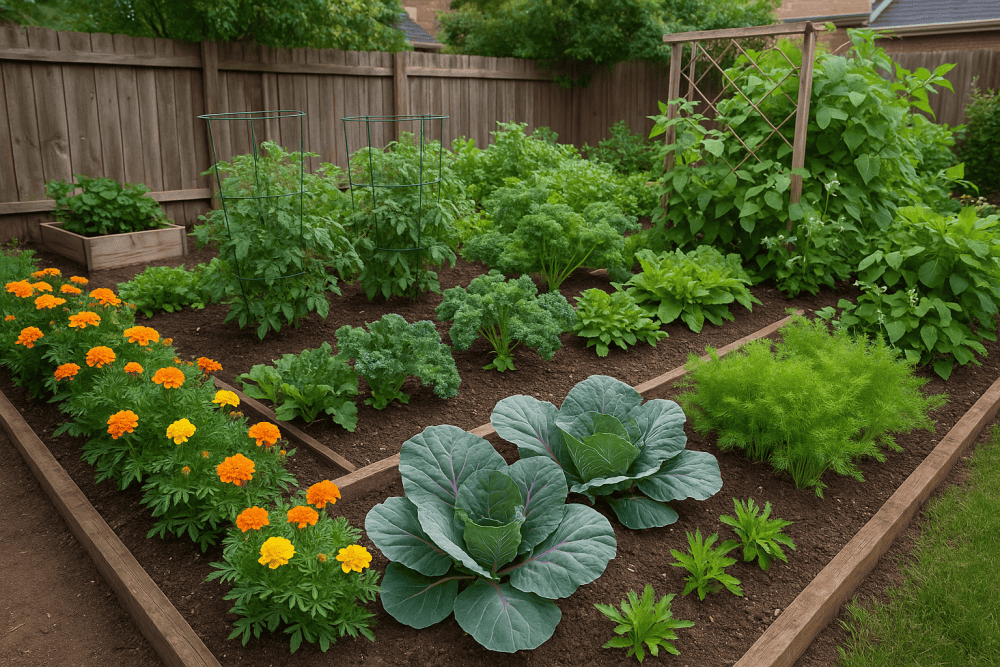
10 Companion Planting Mistakes to Avoid This Season
Table of Contents hide
Companion planting is a powerful way to maximize your garden’s productivity, improve soil health, and deter pests naturally. However, even seasoned gardeners can fall into common traps that limit results. This guide highlights the top 10 mistakes to avoid so you can make the most of this season’s planting.
1. Ignoring Plant Spacing
Crowded plants compete for air, light, and nutrients. When airflow is restricted, humidity rises, creating conditions for mildew, blight, and fungal diseases. For example, overcrowded tomato plants are far more prone to early blight. Following recommended spacing gives roots room to grow, reduces plant stress, and allows pollinators easier access to flowers.
2. Pairing Incompatible Plants
Some plants release chemicals or compete for nutrients that hinder others’ growth. Beans planted with onions, for instance, won’t thrive. Missteps like pairing fennel with almost any crop can damage yields. Always cross-check companion planting charts, like those in our Seasonal Planting Guides, to ensure beneficial partnerships.
3. Forgetting Sunlight Needs
Placing sun-loving crops in shaded corners leads to spindly, unproductive plants. Tomatoes, peppers, and squash need a minimum of 6–8 hours of sunlight daily. Shade-loving crops such as spinach or lettuce scorch under direct midsummer sun. Successful layouts match each plant’s light requirements with garden microclimates.
4. Overlooking Root Competition
Roots are silent competitors. Carrots, with their long taproots, struggle when planted next to shallow-rooted lettuce in small raised beds. In contrast, pairing radishes with cucumbers works well since they occupy different soil levels. Explore our Raised Bed Gardening guide for layout techniques that balance root depth.
5. Planting Without Considering Bloom Times
Pollinators thrive when nectar is available throughout the growing season. If you plant only spring-blooming flowers, bees may abandon your garden by midsummer. Including staggered bloomers such as coneflowers, zinnias, and goldenrod ensures continuous pollinator visits. See our Flowering Plants guide for seasonal bloom suggestions.
6. Failing to Rotate Crops
Reusing the same garden bed layout year after year depletes nutrients and allows pests to settle in. For example, planting tomatoes in the same raised bed for consecutive seasons often results in soil-borne diseases. Rotating plant families (like brassicas, legumes, and nightshades) revitalizes soil and breaks pest cycles.
7. Neglecting Pest-Repelling Companions
Certain plants naturally ward off pests, but they’re often forgotten. Marigolds deter nematodes, basil repels mosquitoes and aphids, and nasturtiums distract cabbage worms from brassicas. Without these allies, pest populations can quickly overwhelm crops. The USDA Gardening Resources provide reliable companion plant lists.
8. Planting Too Many Heavy Feeders Together
Heavy feeders like tomatoes, squash, and corn require vast amounts of nitrogen and other nutrients. When grouped together, they drain the soil rapidly. Instead, interplant with legumes like beans or peas, which fix nitrogen and balance soil fertility. This reduces your need for frequent fertilizer applications.
9. Forgetting Pollinator Support
Even the healthiest plants won’t produce fruit without pollinators. A garden without nectar-rich flowers risks poor fruit set in cucumbers, melons, and tomatoes. Add native flowering plants such as milkweed and bee balm to attract pollinators recommended by the National Wildlife Federation: Pollinator Gardens.
10. Skipping Soil Amendments
Healthy soil is the foundation of successful companion planting. Without adding compost or organic fertilizer, your soil becomes depleted, weakening plants and inviting pests. Incorporating aged compost or organic matter every season ensures fertility, better moisture retention, and resilience against disease.
Avoiding these common mistakes can make the difference between a struggling garden and one that overflows with healthy produce. With proper spacing, smart plant pairings, and attention to soil and pollinators, you’ll set yourself up for a thriving harvest this season.
Looking for more? Explore our guides on Raised Bed Gardening, Flowering Plants, and Seasonal Planting Guides for detailed tips to refine your strategy.
