
Seasonal Companion Planting Strategies for Maximum Harvests
Companion planting isn’t just about what grows well together—it’s also about when you plant. By adjusting your strategies seasonally, you can extend your harvest, reduce pest problems, and maintain soil health year-round. Here’s how to make the most of every season with thoughtful companion planting.
Spring: Kickstart Growth with Early Pairings
Spring is a season of rapid growth, making it the perfect time to pair cool-weather crops with supportive companions. Radishes grow quickly and help loosen soil for carrots, while peas fix nitrogen that benefits leafy greens. Interplant lettuce with onions to deter aphids early in the season. For layout tips, visit Raised Bed Gardening.
Summer: Focus on Pest Defense and Pollinator Support
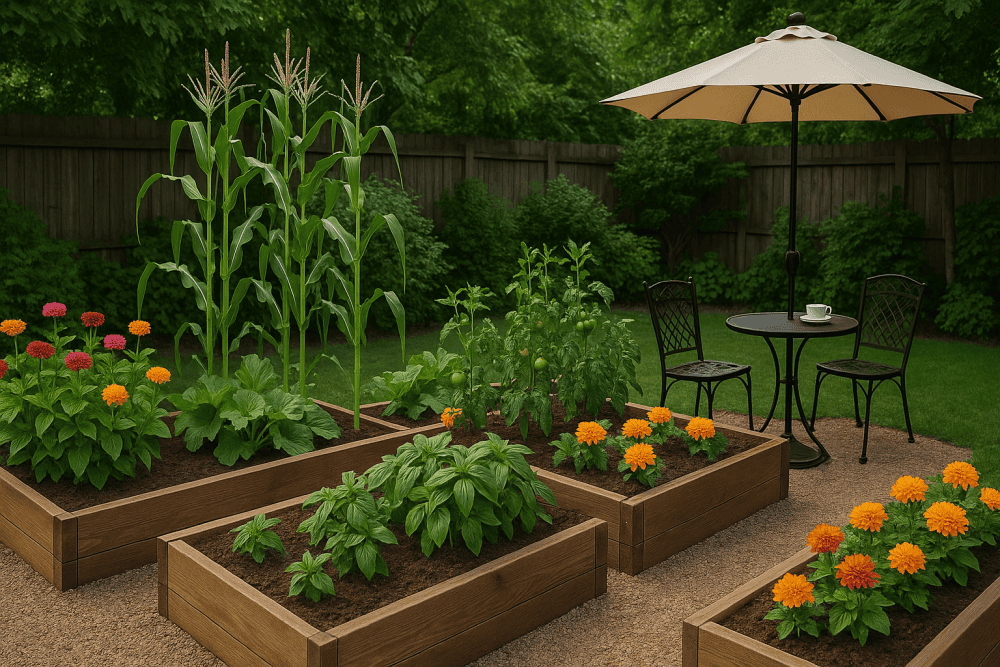
Warm weather brings pests as well as pollinators. Plant basil among tomatoes to repel flies while boosting tomato flavor. Corn, beans, and squash (the “Three Sisters”) work together beautifully: corn provides a trellis, beans fix nitrogen, and squash shades the soil to suppress weeds. Add nectar-rich flowers like zinnias to attract bees and butterflies. Our Flowering Plants guide has more ideas.
Fall: Extend Harvests with Cold-Hardy Allies
As temperatures cool, plant kale with garlic to deter aphids and cabbage worms. Beets thrive with bush beans, which improve soil fertility. Carrots paired with leeks or chives help repel carrot flies. Using row covers alongside fall companions ensures extended harvests. Check our Seasonal Planting Guides for more fall-specific planting ideas.
Winter: Protect and Prepare the Soil
Even if your region experiences frosts, companion planting continues in winter through cover crops and soil builders. Plant clover or vetch to add nitrogen back into the soil. Garlic planted in the fall overwinters well and acts as a natural pest deterrent come spring. Mulching with organic matter also preserves soil health for the next planting cycle.
Adapting to Your Local Climate
Every region’s growing season is unique. Gardeners in warmer climates may be able to plant two or more cycles of certain crops, while colder climates require careful selection of frost-tolerant companions. The USDA Gardening Resources provide planting zone guides that can help tailor strategies to your area.
Rotating Companions for Long-Term Success
Seasonal companion planting isn’t just about one year’s harvest. Rotating plant families season after season breaks pest and disease cycles while maintaining balanced soil nutrients. For example, follow legumes with brassicas, and brassicas with root crops.
By tailoring companion planting strategies to each season, you’ll enjoy healthier plants, bigger harvests, and a thriving garden ecosystem. With thoughtful planning, your garden can produce abundantly from early spring through winter.
Explore more seasonal techniques with our Seasonal Planting Guides, Raised Bed Gardening, and Flowering Plants.
