
The Ultimate Guide to Companion Planting for a Thriving Garden
Companion planting is one of the oldest gardening techniques, blending tradition with science to create healthier, more productive gardens. By pairing plants that benefit each other, you can maximize yields, reduce pest pressure, and enrich your soil; all without synthetic chemicals. This ultimate guide covers everything you need to know to start companion planting for a thriving garden.
What Is Companion Planting?
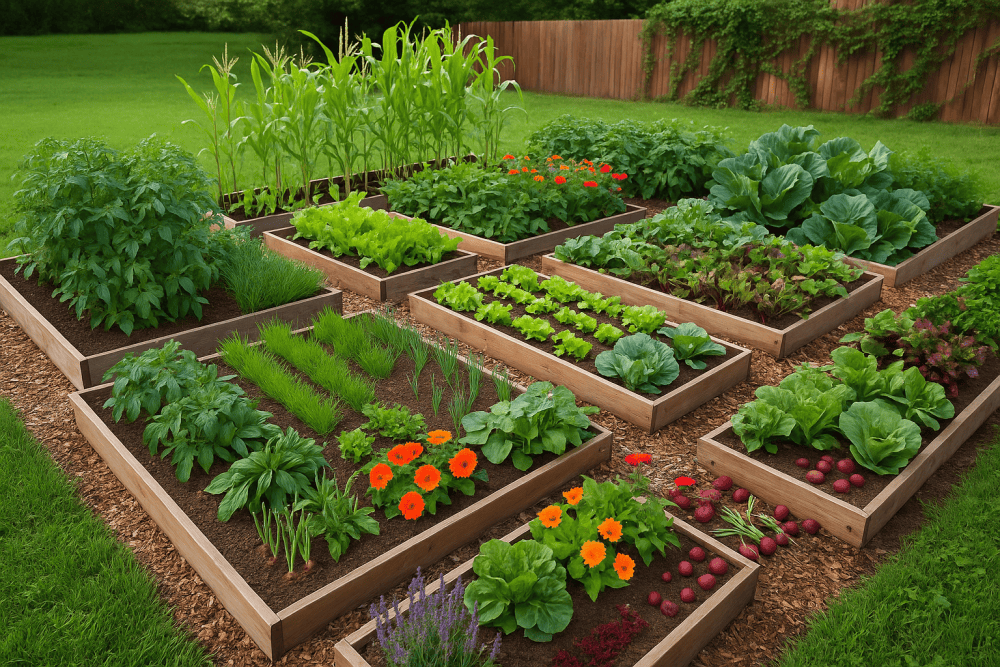
Companion planting is the practice of strategically pairing plants so they work together. Some companions repel pests, while others enhance soil fertility or attract pollinators. The goal is to create a balanced ecosystem where plants thrive naturally. This method is especially powerful in Raised Bed Gardening systems, where space is limited.
Benefits of Companion Planting
- Natural Pest Control: Certain plants repel harmful insects.
- Soil Health: Legumes enrich the soil by fixing nitrogen.
- Pollinator Support: Nectar-rich flowers attract bees and butterflies.
- Efficient Space Use: Smart pairings make the most of limited areas.
- Higher Yields: Healthier plants and balanced ecosystems lead to more abundant harvests.
Key Principles of Companion Planting
1. Pairing for Pest Defense
Herbs like basil and rosemary naturally repel insects, protecting nearby crops. Marigolds deter nematodes and aphids while adding color to your garden. See the USDA Gardening Resources for pest-resistant planting ideas.
2. Supporting Pollinators
Pollinators are essential for fruits and vegetables. Planting lavender, echinacea, and bee balm ensures a steady nectar supply. Check the National Wildlife Federation: Pollinator Gardens for region-specific suggestions.
3. Enhancing Soil Fertility
Legumes like peas and beans add nitrogen, supporting heavy feeders such as corn or spinach. Root vegetables like carrots loosen soil for shallow-rooted crops.
4. Staggering Bloom and Harvest Times
Using plants with different bloom times ensures pollinators stay active all season. Pairing quick crops like radishes with long-season crops like tomatoes helps you maximize bed productivity. For timing, see our Seasonal Planting Guides.
5. Planning for Root Depth and Growth Habits
Pairing shallow-rooted lettuces with deep-rooted carrots makes efficient use of soil space. In Flowering Plants layouts, tall flowers provide shade for delicate greens.
Best Companion Plant Pairs
- Tomatoes + Basil: Improves flavor and repels flies.
- Corn + Beans + Squash (Three Sisters): A traditional combination that balances support, nutrition, and weed suppression.
- Carrots + Onions: Onions deter carrot flies, while carrots thrive in the loosened soil.
- Cabbage + Dill: Dill attracts beneficial predators that protect brassicas.
Common Mistakes to Avoid
- Overcrowding, which reduces airflow and increases disease.
- Pairing incompatible crops like beans with onions.
- Forgetting crop rotation, which can lead to soil depletion.
- Ignoring bloom times, which reduces pollinator visits.
Explore our full guide on 10 Companion Planting Mistakes to Avoid to avoid pitfalls.
Seasonal Strategies for Companion Planting
- Spring: Pair lettuce with onions and radishes to deter aphids.
- Summer: Plant basil with tomatoes and marigolds with cucumbers.
- Fall: Combine kale with garlic for pest protection.
- Winter: Use cover crops like clover to improve soil fertility.
Companion Planting and Soil Health
Companion planting enriches soil naturally. Deep-rooted crops aerate compacted soil, legumes add nitrogen, and ground covers reduce erosion. Learn more in How Companion Planting Improves Soil Health.
Companion planting is more than a technique, it’s a philosophy of working with nature to create abundance. By pairing the right plants and following seasonal strategies, you’ll enjoy healthier soil, more pollinators, fewer pests, and larger harvests.
