
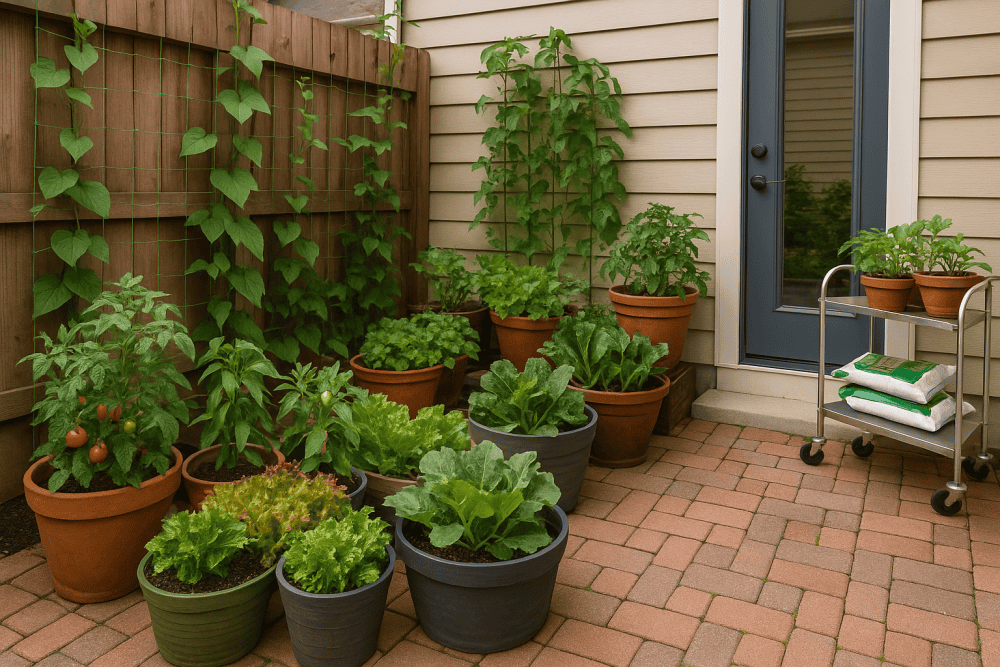
Edible Container Gardens: Growing Vegetables in Small Spaces
If you think you need a large backyard to grow your own food, think again. Edible container gardens make it possible to grow fresh, healthy vegetables even on the smallest patio or balcony. With the right strategies, you can enjoy a thriving harvest all season long without sacrificing valuable space.
Why Choose Edible Container Gardening?
Edible container gardening combines practicality with convenience. Whether you’re limited to a balcony or just want to supplement your grocery budget, containers provide an easy, flexible way to grow your own food. Benefits include:
- Space efficiency: Perfect for patios, balconies, and even windowsills.
- Soil control: Avoid poor native soils by choosing high-quality potting mixes.
- Pest management: Containers reduce exposure to soil-borne pests and diseases.
- Flexibility: Easily move containers to chase sunlight or protect from harsh weather.
Best Vegetables for Container Gardens
Not all vegetables thrive in containers, but many adapt beautifully when given the right space and care.
- Tomatoes: Choose determinate (bush) varieties for smaller pots. Support with stakes or cages.
- Peppers: Compact bell and chili pepper plants are perfect for 12–16 inch containers.
- Lettuce and Greens: Fast-growing and shallow-rooted, ideal for window boxes or shallow containers.
- Radishes and Carrots: Root crops do well in deeper pots with loose soil.
- Cucumbers: Bush or dwarf varieties climb well with trellises in large containers.
- Beans: Pole beans thrive with vertical supports, while bush beans fit smaller containers.
Check our Seasonal Planting Guides for the best planting times.
Choosing the Right Containers
Selecting the right containers ensures healthy root systems and abundant harvests.
- Size: Larger containers provide more room for roots and reduce watering frequency.
- Material: Plastic and resin retain moisture well, while fabric grow bags encourage root aeration.
- Drainage: Always ensure containers have adequate holes to prevent waterlogging.
For guidance, see our blog on Choosing the Right Containers for Healthy Plant Growth.
Soil and Fertilizer Tips
Containers require nutrient-rich soil since plants can’t reach deep into the ground.
- Potting Mix: Use a high-quality mix with compost and perlite for aeration.
- Fertilization: Feed plants regularly with liquid organic fertilizer or slow-release pellets.
- Mulching: Add a thin layer of mulch to retain moisture and regulate soil temperature.
Companion Plants for Better Yields
Adding companion plants enhances productivity and pest resistance.
- Basil with Tomatoes: Repels flies and improves flavor.
- Marigolds with Peppers: Deter nematodes and aphids while attracting pollinators.
- Radishes with Cucumbers: Loosen soil and distract pests.
See more strategies in Companion Planting for Pollinators.
Watering and Sunlight Needs
Most vegetables require at least 6–8 hours of direct sunlight daily. Containers dry out faster than in-ground gardens, so check soil moisture often.
- Morning Watering: Best to reduce evaporation and prevent fungal growth.
- Self-Watering Containers: Useful for maintaining consistent hydration in hot weather.
- Grouping Containers: Place plants with similar water needs together to simplify care.
Extending the Growing Season
Containers make it easier to extend harvests into cooler months.
- Use frost covers or bring containers indoors during cold snaps.
- Plant cool-weather crops like spinach and kale in fall.
- Refresh container soil with compost each season for ongoing fertility.
Edible container gardens bring fresh, homegrown vegetables to even the smallest spaces. With thoughtful container choices, companion planting, and seasonal strategies, your patio or balcony can become a productive mini-farm.
For more inspiration, explore Container Garden Ideas, Small Garden Ideas, and our Seasonal Planting Guides.
