
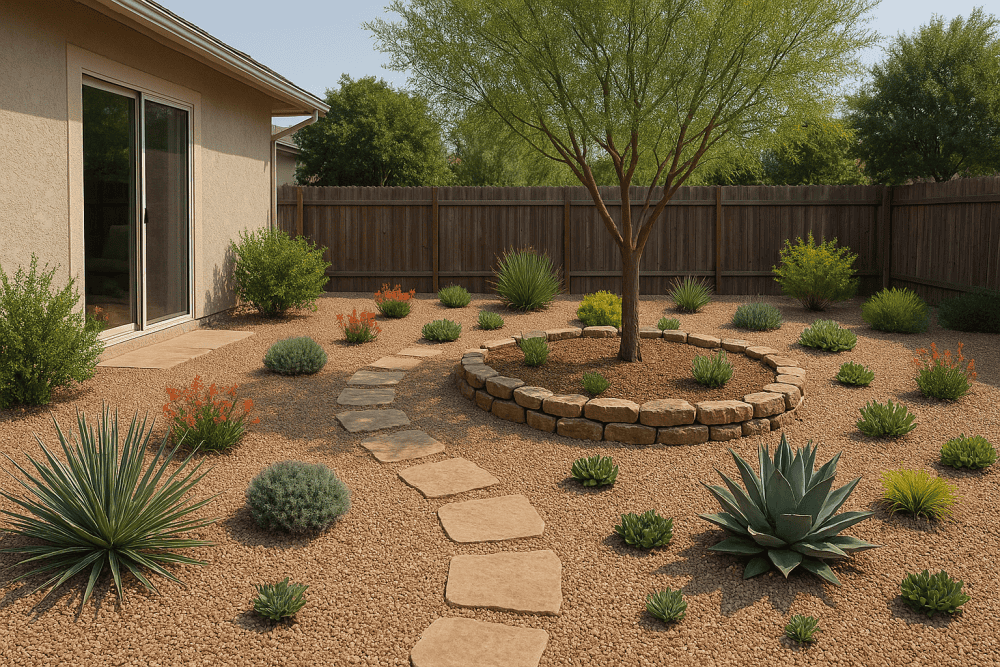
Xeriscaping Basics: Creating a Drought-Tolerant Garden
Xeriscaping is more than a landscaping trend; it’s a sustainable approach to gardening that prioritizes water efficiency without sacrificing beauty. By carefully planning plant choices, soil preparation, and irrigation, you can create a thriving drought-tolerant garden. Here’s a comprehensive guide to xeriscaping basics.
Why Choose Xeriscaping?
Xeriscaping offers lasting benefits for both homeowners and the environment:
- Water conservation: Uses up to 50–75% less water than traditional lawns.
- Lower costs: Reduces water bills and long-term maintenance expenses.
- Eco-friendly design: Supports pollinators and biodiversity with native plants.
- Year-round beauty: A properly planned xeriscape looks lush and colorful in all seasons.
1. Plan Your Xeriscape Design
Good xeriscaping starts with a thoughtful design:
- Assess your yard: Identify sunny, shady, and windy areas.
- Group by water needs: Place high-water plants together and away from drought-tolerant species.
- Incorporate pathways and hardscaping: Use gravel, stone, or mulch to reduce lawn areas.
Pro Tip: Create zones, oasis areas near the house and dry, low-maintenance zones further out.
2. Improve Soil Quality
Healthy soil is crucial for plant success:
- Amend with compost: Improves water retention and nutrients.
- Aerate compacted soil: Helps roots grow deep and strong.
- Choose mulch types: Organic mulches enrich soil; gravel provides long-term coverage.
Pro Tip: Test your soil before planting to determine amendments needed.
3. Select the Right Plants
Plant choice is the heart of xeriscaping:
- Succulents: Agave, aloe, and sedum for sculptural appeal.
- Ornamental Grasses: Blue fescue, muhly grass, and feather reed grass for texture.
- Perennials: Lavender, salvia, and coneflowers for color and pollinator support.
- Native Plants: Best adapted to your climate and soil for resilience.
Explore Best Drought-Tolerant Plants for more options.
4. Reduce or Replace Lawn Areas
Lawns consume the most water in typical yards:
- Replace sections with low-water groundcovers like creeping thyme or ice plant.
- Add gravel or flagstone walkways for visual interest.
- Use artificial turf in high-use areas for greenery without irrigation.
Pro Tip: Keep small lawn areas only where functional, such as play spaces.
5. Install Efficient Irrigation
Watering smart is key to xeriscaping success:
- Drip irrigation systems: Target roots directly for minimal waste.
- Soaker hoses: Affordable and easy for garden beds.
- Rain barrels: Collect water naturally for eco-friendly irrigation.
Pro Tip: Water deeply but infrequently to encourage deep root growth.
6. Add Hardscaping for Beauty and Function
Hardscaping enhances both design and efficiency:
- Use decorative stone, pavers, or gravel for pathways.
- Install raised beds for easier planting and less water use.
-
Incorporate benches, pergolas, or arbors for structure and shade.
See Walkway and Entry Landscaping for design inspiration.
7. Maintain for Long-Term Success
Even drought-tolerant gardens need upkeep:
- Refresh mulch annually to control weeds and conserve water.
- Prune shrubs and perennials to maintain shape and health.
- Check irrigation systems regularly for clogs or leaks.
Pro Tip: Avoid overwatering, most xeriscape plants thrive with less.
Xeriscaping creates a stunning, eco-friendly yard that requires minimal water and upkeep. By planning carefully, choosing resilient plants, and adding efficient irrigation, you’ll enjoy a vibrant garden that thrives in every season.
For further ideas, explore Best Drought-Tolerant Plants, Water-Saving Landscape Design, and Low-Maintenance Front Yards.
