
Combining Succulents and Natives for Low-Water Landscapes
Table of Contents hide
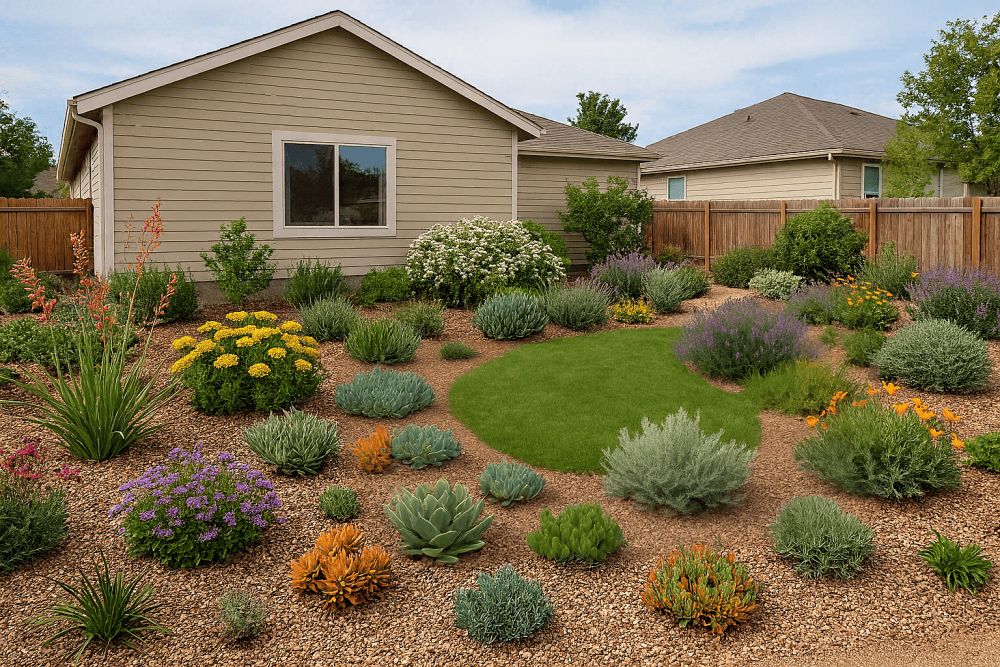
Designing a drought-tolerant landscape doesn’t mean compromising beauty. Pairing succulents with native plants allows you to create an outdoor space that is visually stunning, eco-friendly, and easy to maintain. Here’s an expanded guide on how to achieve a resilient, water-efficient yard.
Why Combine Succulents and Natives?
The combination of succulents and natives delivers balance and sustainability:
- Water savings: Both plant types thrive with minimal irrigation.
- Biodiversity support: Natives attract pollinators while succulents add unique textures.
- Low upkeep: Together, they reduce the need for fertilizers, pesticides, and constant pruning.
- Year-round variety: Succulents provide structure while natives offer seasonal color.
Tip: This duo provides resilience against drought while keeping landscapes lush.
1. Design Principles for Blending Succulents and Natives
Start with a thoughtful design plan to maximize curb appeal:
- Balance bold and soft textures: Use architectural succulents alongside airy grasses and blooms.
- Layer strategically: Place tall natives like Joe-Pye weed behind agaves or yuccas.
- Integrate pathways and hardscaping: Gravel or flagstone paths tie the design together while saving water.
Pro Tip: Curved beds and pathways create a natural flow that highlights plant pairings.
2. Succulents for Structure and Form
Succulents add sculptural drama and resilience:
- Agave: Commanding presence with bold, spiky leaves.
- Sedum: Spreads quickly, offering texture and seasonal flowers.
- Echeveria: Rosette formations that shine in containers or borders.
- Yucca: Adds height and sharp, modern lines to the garden.
Pro Tip: Plant succulents in raised beds or mounded soil for better drainage.
3. Native Plants for Color and Pollinator Support
Natives bring local charm and ecological benefits:
- Echinacea (Coneflowers): Provide nectar for bees and butterflies.
- Black-Eyed Susans: Bright yellow blooms that thrive in heat.
- Bee Balm: Fragrant and attractive to hummingbirds.
- Milkweed: Essential for supporting monarch butterflies.
Pro Tip: Cluster natives for bold drifts of seasonal color.
4. Combining Plants for Seasonal Interest
A balanced planting plan ensures beauty all year:
- Spring: Columbines and coneflowers paired with sedum.
- Summer: Lavender and bee balm contrasted with agaves.
- Fall: Goldenrod alongside autumn-blooming stonecrop.
- Winter: Evergreen succulents and ornamental grasses for structure.
Pro Tip: Layer bloom times so that your garden always has interest.
5. Soil and Mulching Strategies
Healthy soil is the foundation of a low-water garden:
- Well-draining soil: Mix sand or grit to prevent soggy roots for succulents.
- Gravel or bark mulch: Conserves moisture and adds contrast.
- Organic compost: Supports native perennials without overwatering.
Pro Tip: Avoid plastic weed barriers, which can block water absorption.
6. Watering and Maintenance Tips
Low-water plants still need strategic care:
- Establishment phase: Provide steady watering until roots develop.
- Deep, infrequent watering: Encourages drought-resilient root systems.
- Minimal pruning: Remove dead growth and spent blooms occasionally.
- Seasonal checks: Monitor soil moisture to avoid accidental overwatering.
Pro Tip: Use drip irrigation for natives and spot watering for succulents.
By blending succulents with native plants, you’ll create a garden that thrives on minimal water while providing texture, color, and habitat for wildlife. This approach ensures lasting curb appeal and eco-friendly benefits.
For more inspiration, see Xeriscaping Basics, Best Drought-Tolerant Plants, and Water-Saving Landscape Design.
