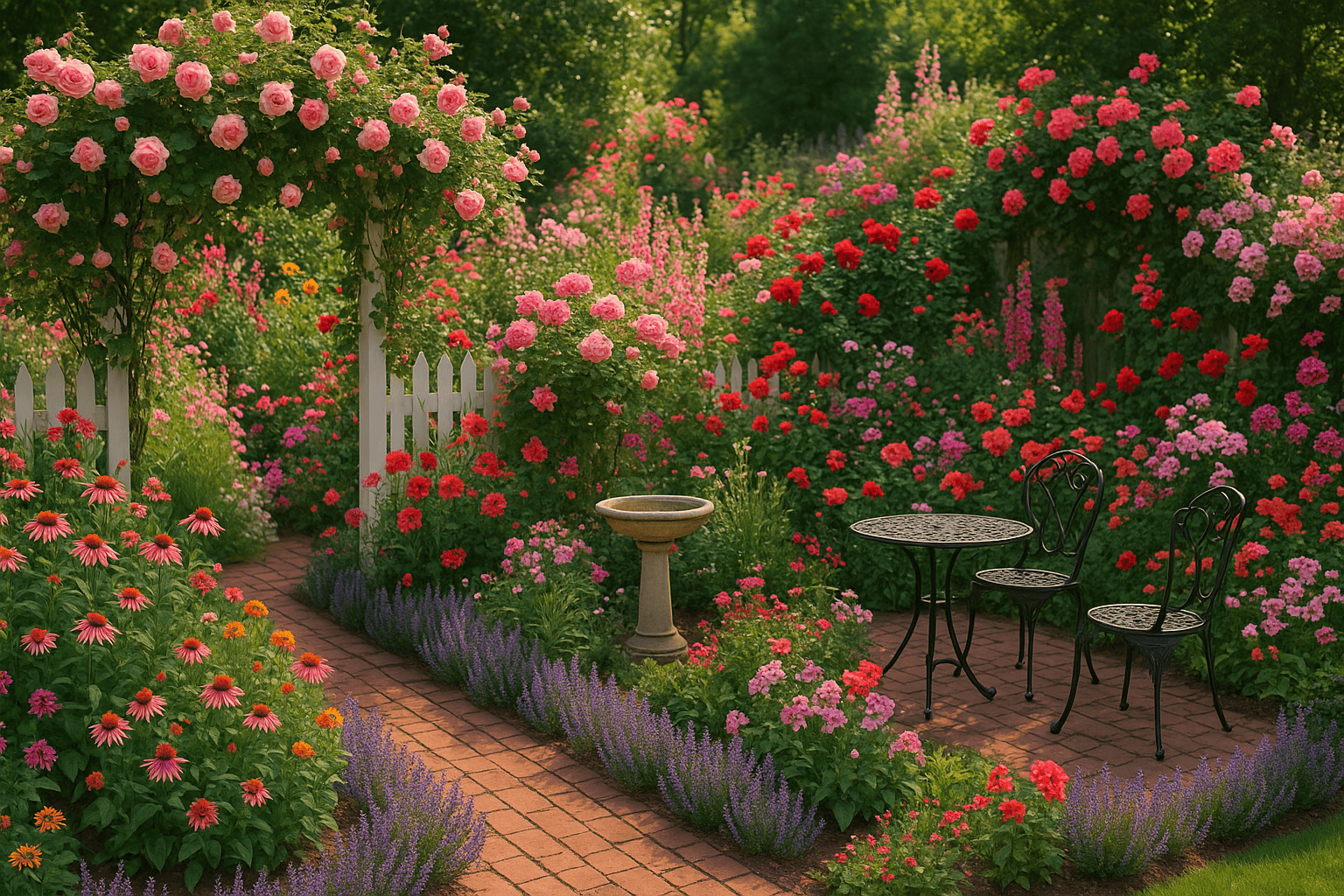
Designing a Romantic Cottage Garden: Key Elements to Include
Few garden styles capture the heart like a cottage garden. Known for whimsical charm, colorful flowers, and winding pathways, the romantic cottage garden blends fragrance, texture, and timeless design into a sanctuary that feels both abundant and inviting. Here's how to design your own romantic retreat.
Why Choose a Cottage Garden Style?
A cottage garden suits gardeners who love natural abundance over formal structure. Its benefits go beyond looks:
-
Beauty through variety: A mix of perennials, annuals, herbs, and shrubs ensures continuous blooms and textures.
-
Wildlife-friendly design: Pollinator plants provide nectar for bees, butterflies, and hummingbirds, encouraging biodiversity.
-
Ease of care: Hardy favorites like roses, lavender, and peonies require little beyond seasonal pruning and feeding.
-
Personal creativity: Cottage gardens allow artistic expression, with each one reflecting its gardener's unique style.
1. Lush Planting for Abundance
Cottage gardens thrive on the impression of natural, overflowing beauty. Instead of orderly rows, layer your plants to create a tapestry:
-
Tall plants: Foxgloves, delphiniums, and hollyhocks add drama and vertical interest.
-
Medium plants: Roses, peonies, and lavender fill the heart of the border with fragrance and charm.
-
Ground covers: Violas, alyssum, and creeping thyme soften edges and prevent weeds.
Mixing plant heights, textures, and bloom colors ensures a whimsical, abundant feel. Our
Flowering Plants guide offers more inspiration for layering blooms.
2. Pathways that Invite Exploration
Curving paths are essential in a romantic cottage garden. Gravel, brick, or stone pathways create texture while leading the eye deeper into the garden. Edging paths with lavender or dianthus adds fragrance and definition. For structural ideas and material options, visit
Walkway and Entry Landscaping.
3. Fences, Arbors, and Trellises
Vertical structures add romance and create cozy outdoor rooms:
-
Picket fences frame the garden while offering climbing support for clematis or roses.
-
Arbors and arches draped with climbing honeysuckle or jasmine create dramatic entrances.
-
Trellises support sweet peas or morning glories while adding height.
These features anchor the design while providing functional support for climbing plants.
4. Seasonal Planting for Year-Round Beauty
A cottage garden shines when something is always in bloom. Create a seasonal planting plan:
-
Spring: Tulips, daffodils, and primroses for early color.
-
Summer: Roses, hydrangeas, and zinnias for lush mid-season displays.
-
Fall: Asters, chrysanthemums, and ornamental grasses add texture and late blooms.
-
Winter: Evergreen shrubs and hellebores maintain greenery and structure.
For detailed planning, see our Seasonal Planting Guides.
5. Blending Flowers with Edibles
Traditionally, cottage gardens combined practicality with beauty. Intermix vegetables and herbs with flowers:
-
Herbs: Sage, thyme, and rosemary provide fragrance and culinary use.
-
Vegetables: Beans climbing a trellis or lettuces edging a border add texture and productivity.
This approach ensures your garden is both decorative and functional.
6. Cozy Seating and Decorative Touches
A romantic garden is meant to be enjoyed, not just admired. Incorporate inviting seating areas:
-
Add a wooden bench beneath an arbor of roses.
-
Place wrought-iron chairs beside a birdbath for morning tea.
-
Use decorative lanterns, vintage pots, and whimsical statuary for charm.
These touches encourage relaxation and make the garden feel personal.
7. Encourage Pollinators and Wildlife
Pollinators are vital to keeping your cottage garden lush and productive. Add nectar-rich flowers like bee balm, echinacea, and sunflowers. Include shallow birdbaths and butterfly-friendly puddling stations. For more wildlife-friendly strategies, see
Companion Planting for Pollinators.
Designing a romantic cottage garden means embracing abundance, charm, and year-round beauty. By layering plants, adding structural elements, and creating cozy, wildlife-friendly spaces, you'll transform your yard into a welcoming sanctuary.
For more inspiration, explore
Flowering Plants,
Seasonal Planting Guides, and
Walkway and Entry Landscaping.