
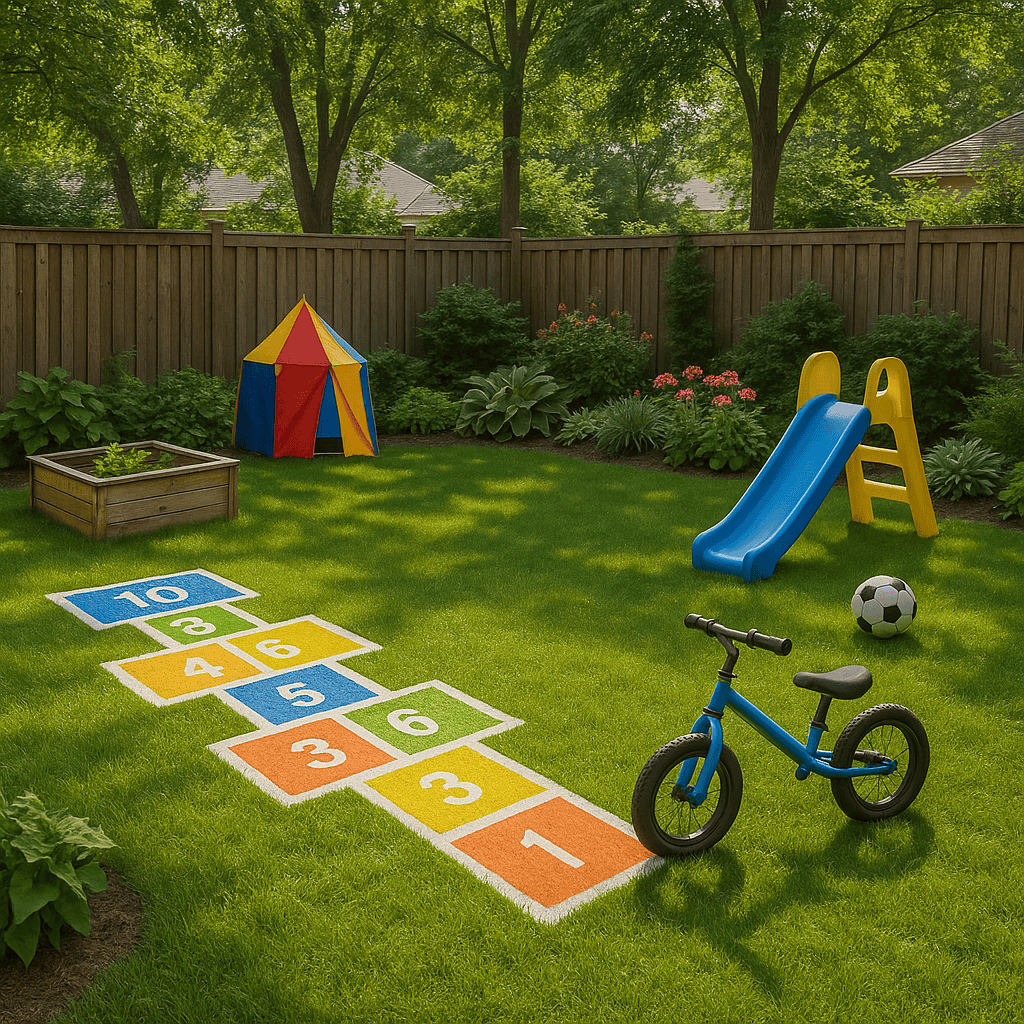
Kid-Friendly Backyard Garden Layouts
Designing a kid-friendly backyard garden means creating a space where children can safely explore, play, and learn about nature. With the right layout, your garden can become a living classroom, an imaginative play space, and a source of lifelong memories. This guide will walk you through ideas for building a backyard that's beautiful, interactive, and child-approved.
Benefits of a Kid-Friendly Garden Layout
A thoughtfully designed layout can:
- Promote outdoor play and reduce screen time
- Teach responsibility through gardening tasks
- Support sensory development and creativity
- Provide safe zones for running, digging, and building
- Foster curiosity and a love of nature
Let's explore how to balance beauty, function, and fun in your design.
Design Principles for Child-Friendly Gardens
1. Safety First
- Use non-toxic plants (avoid oleander, foxglove, daffodils)
- Choose soft surfaces (grass, mulch, rubber tiles)
- Fence or screen off hazardous areas (pools, toolsheds, compost)
- Avoid sharp edges, thorny plants, or unstable furniture
2. Scale for Small Hands and Feet
- Narrower paths (18-24") for child-only zones
- Short raised beds or container gardens
- Benches and tables at kid-height
3. Variety of Spaces
Incorporate zones for:
- Free play: open turf or woodchip area
- Quiet time: reading nook or fairy garden
- Learning: veggie beds, butterfly plants, weather station
- Building: sandpit or stick teepee zone
Layout Ideas for Kid-Friendly Gardens
1. Garden Path Maze with Activity Zones
- Create a looping or spiral path using flagstone or mulch
- Each turn reveals a new mini-zone:
- Water table
- Bug hotel
- Chalkboard easel
- Herb garden for sniffing and tasting
2. Raised Bed Teaching Garden
- Section off 4-6 small raised beds
- Assign each child a bed or rotate crops seasonally
- Grow easy plants: lettuce, carrots, cherry tomatoes, sunflowers
- Use painted labels and mini watering cans
3. Nature Play Zone + Edible Border
- Install log rounds for stepping or balancing
- Include a digging pit, pinecone pile, and tree stump table
- Surround with blueberry bushes, mint, and strawberries
4. Backyard Orchard Classroom
- Plant 3-4 dwarf fruit trees spaced evenly
- Underplant with thyme or clover
- Use seating stumps and story signage to teach about seasons
5. Mini Wildlife Habitat Garden
- Add bird feeders, bee hotels, and small ponds (supervised)
- Grow milkweed, lavender, echinacea
- Keep a journal or chalkboard to record critter sightings
Sensory and Educational Features to Include
- Sound: Wind chimes, bird calls, water trickle
- Touch: Lamb's ear, ornamental grasses, bark textures
- Smell: Herbs like mint, basil, lemon balm
- Taste: Edible flowers, peas, berries
- Sight: Bright colors, patterns, playful signs
Seating and Shelter Options for Kids
- Canvas teepee or reading tent
- Shade sail or umbrella near play area
- DIY pallet bench or stump circle
- Hammocks for napping or swinging
Kid-Safe Plant Choices
Edibles:
- Cherry tomatoes
- Snap peas
- Strawberries
- Calendula
- Nasturtiums
Flowers and Fragrance:
- Marigolds
- Cosmos
- Zinnias
- Lemon balm
- Chamomile
Foliage:
- Lamb's ear
- Hostas
- Ferns
Materials and Surfaces
- Paths: Rubber mulch, stepping stones, decomposed granite
- Mulch: Use shredded bark or natural wood chips but we recommend no cocoa mulch
- Edges: Use stone, wood, or safe plastic borders
- Containers: Lightweight pots, grow bags, upcycled buckets
Maintenance Tips
- Teach simple garden chores: watering, harvesting, pulling weeds
- Use bright gloves and kid-size tools
- Add seasonal color with easy annuals
- Keep a tidy compost area or worm bin for curiosity
Related Reading
FAQs About Kid-Friendly Backyard Garden Layouts
How old should kids be to help in the garden?
Children as young as 2-3 can begin helping with tasks like watering and harvesting with supervision. Older kids can manage their own beds.
How do I make a backyard safer for kids?
Use soft ground covers, secure tools and chemicals, avoid thorny plants, and fence off hazards. Keep layouts open with clear sightlines.
Can a kid's garden be beautiful too?
Yes! Bright flowers, fun labels, colorful mulch, and whimsical features like garden gnomes or painted rocks make it both pretty and playful.
Want to create a backyard that keeps your kids engaged, safe, and inspired? Contact Yard and Soil and we'll design a playful garden that's fun for kids and beautiful for adults.