
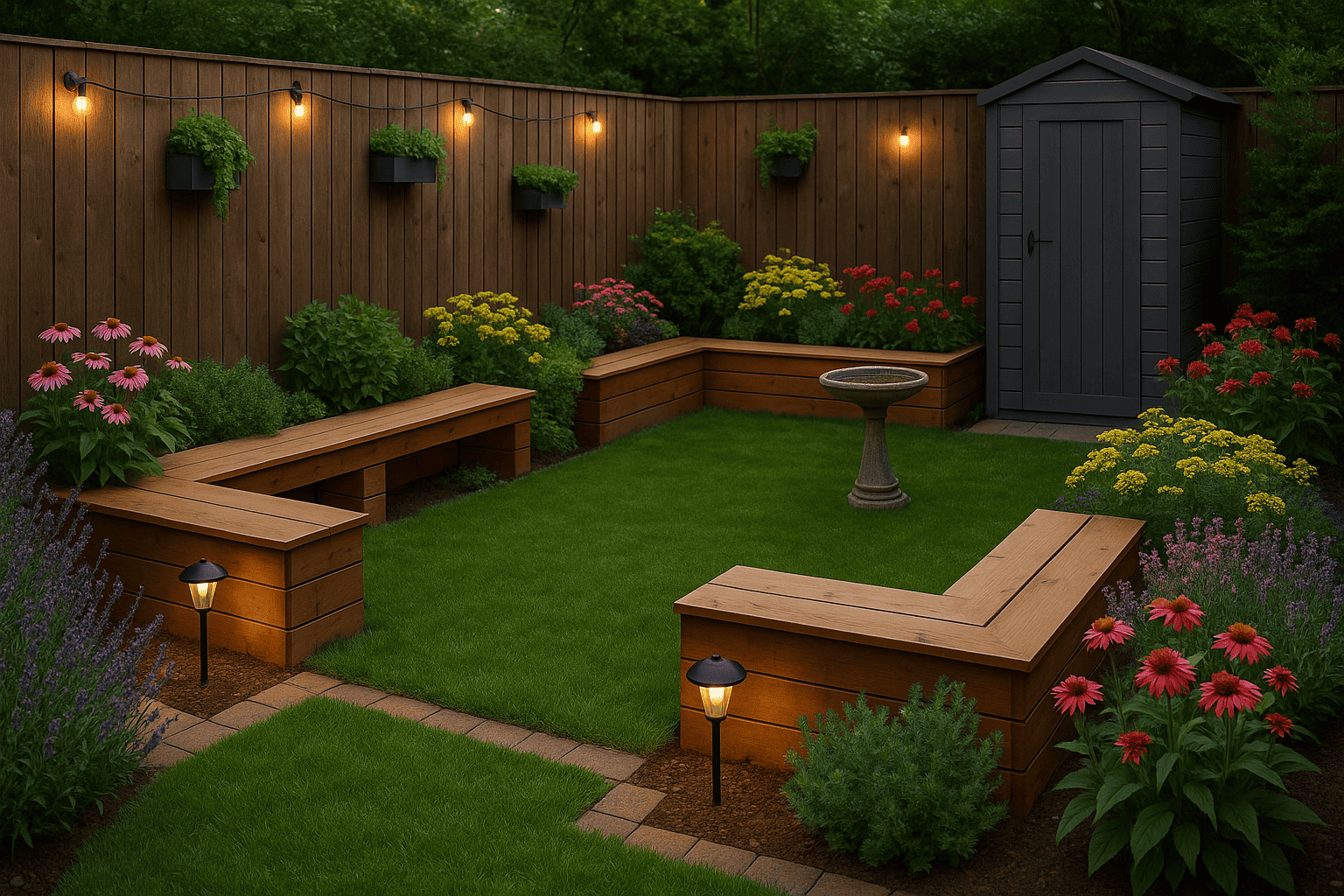
Small Garden Ideas That Maximize Space
Even the tiniest outdoor spaces can become vibrant sanctuaries with a bit of creativity and planning. Whether you have a compact backyard, a side yard, or a petite patio, there are countless ways to create a garden that’s both beautiful and functional. In this guide, we’ll explore smart, stylish, and practical small garden ideas to help you maximize every inch of space.
Why Small Gardens Matter
Small gardens are more than just scaled-down versions of traditional yards. They offer:
- A manageable space for beginner gardeners who may feel overwhelmed by large landscapes.
- Lower maintenance and water use, making them more sustainable and easier to care for.
- Cost-effective landscaping opportunities that don’t require major investments.
- A cozy retreat for personal enjoyment or entertaining friends, complete with charm and intimacy.
Let’s explore how you can transform limited square footage into a lush, productive garden without sacrificing style or function.
Planning Your Small Garden
Assess Your Space
Start by measuring your area. Is it a narrow side yard? A balcony? A small patch behind your home? Understanding the layout helps you:
- Choose the right plants based on available light and soil conditions.
- Select proper furniture or structures that won’t overcrowd your garden.
- Design a flow that feels intuitive and not cramped.
Also, consider access to water, storage options, and how you move through the space. These practical considerations ensure your garden functions well and is enjoyable to use.
Determine Your Garden Goals
Knowing your goals from the beginning ensures your space serves your lifestyle. Consider the following objectives:
- Aesthetic goals, such as having a peaceful sanctuary filled with flowers.
- Practical goals, like growing a small kitchen garden with herbs and vegetables.
- Functional goals, such as creating an outdoor entertainment nook or shaded reading area.
Write down your goals to guide your plant selection and layout decisions.
Use a Scaled Drawing or App
Planning tools can help you see your layout clearly before making permanent changes. Whether you go analog with graph paper or use apps like SmartGardener, Garden Planner, or SketchUp, focus on:
- Defining walkways to prevent damage to plants.
- Understanding how the sun moves through your yard.
- Locating beds and furniture to optimize both form and function.
These tools help prevent costly or time-consuming mistakes and make the most of every inch.
Design Strategies for Compact Garden Layouts
Vertical Gardening
Going vertical makes use of often-overlooked space and can dramatically increase your planting capacity. Consider these vertical options:
- Wall-mounted planters for herbs or annuals.
- Hanging baskets with trailing plants like ivy geraniums or nasturtiums.
- Freestanding trellises that support beans, peas, or climbing roses.
- Repurposed pallets mounted on walls and filled with soil for a rustic vertical herb garden.
Vertical gardens are functional, artistic, and bring texture and layers to your garden walls.
Layered Planting
Layering mimics nature and makes your garden feel fuller and more intentional. Try:
- Background layers: Use dwarf trees or tall flowering shrubs like hydrangeas.
- Middle layers: Add bushy perennials like hostas or coral bells.
- Foreground layers: Groundcovers like creeping thyme or low-growing sedums finish the picture.
This approach supports wildlife, suppresses weeds, and ensures visual interest at every height.
Built-in Seating and Planters
Maximize multi-use design by blending function and beauty:
- Install L-shaped benches around corners with planter boxes behind for flowers or herbs.
- Raise garden beds to seating height and top them with flat capstones for a perch.
- Design storage benches with hidden compartments to hold garden tools or cushions.
These dual-purpose features are essential in small gardens where every inch counts.
Mirrors and Illusions
Play with perception to make your garden feel larger. Here’s how:
- Use outdoor-safe mirrors to reflect greenery and expand views.
- Paint walls and fences in light tones or vertical stripes to elongate space.
- Place larger-leafed plants near the edges and finer textures toward the center to create depth.
Visual tricks can create a grander sense of space without adding square footage.
Smart Plant Selection
In a small garden, plant choice matters immensely. You want maximum beauty and function in a compact footprint:
- Dwarf or compact varieties: Look for terms like "patio," "baby," or "mini" on plant tags. These stay naturally small without pruning.
- Edible plants: Basil, mint, cherry tomatoes, spinach, and peppers thrive in containers and raised beds.
- Pollinator-friendly flowers: Plants like bee balm, echinacea, lavender, and yarrow bring beneficial insects and blooms.
Avoid invasive species or those with deep, aggressive roots that can damage structures or crowd neighbors.
Functional Features for Small Gardens
Lighting
Light adds ambiance and safety while allowing you to enjoy the garden after dark:
- Solar path lights offer eco-friendly illumination along walkways.
- Hanging lanterns or string lights create a romantic, festive feel.
- Spotlights or uplights can highlight focal points like statues, trees, or water features.
Be strategic to avoid over-lighting, which can overwhelm a small space.
Water Features
Water brings sound, movement, and serenity. Compact options include:
- Wall fountains that attach to fences or exterior walls.
- Self-contained bubbling rocks or ceramic vessels.
- Birdbaths that double as pollinator attractors.
Choose features with closed loops to minimize maintenance and water waste.
Storage Solutions
Clutter can ruin the tranquility of a small garden. Stay organized with:
- Slimline sheds that tuck into corners.
- Benches with storage beneath the seat.
- Wall-mounted racks for tools and hoses.
Good storage keeps your space functional and visually tidy.
Container Gardening Tips
Container gardening is versatile and accessible for all spaces. Use these best practices:
- Choose quality pots with proper drainage holes.
- Use lightweight potting mix to avoid compaction.
- Mix heights and textures by combining thrillers (like ornamental grass), fillers (like coleus), and spillers (like sweet potato vine).
- Group containers in odd numbers for a natural look.
Move pots seasonally to optimize light and style.
Maintenance Tips for Space-Saving Gardens
Maintaining a small garden can be fast and easy with the right habits:
- Group plants by water needs to avoid over- or under-watering.
- Use mulch to insulate roots, retain moisture, and suppress weeds.
- Install a drip irrigation system or self-watering planters to save time and reduce water waste.
- Regularly prune or deadhead plants to promote growth and keep pathways clear.
Weekly check-ins can keep your garden tidy and thriving year-round.
Common Mistakes to Avoid
Avoid these pitfalls that can hinder the success of your small garden:
- Overcrowding: Leads to poor air circulation, disease, and root competition.
- Ignoring sunlight conditions: Match plants to the amount of sun or shade they’ll actually receive.
- Choosing plants that outgrow the space: Always read the mature size on labels.
- Lacking focal points: Every space needs a visual anchor like a tree, sculpture, or bold plant.
Planning and restraint help your garden feel curated rather than chaotic.
Final Touches and Decor
Personalize your garden to reflect your taste and encourage time spent outside:
- Add a bistro table and chairs for morning coffee or evening wine.
- Incorporate garden art, such as mosaics, metal sculptures, or vintage finds.
- Introduce fragrance with plants like jasmine, lavender, rosemary, or scented geraniums.
- Include a small fire bowl or chiminea for seasonal enjoyment.
These finishing touches elevate the garden into an extension of your home.
Related Reading
FAQs About Small Garden Ideas
What is the best layout for a small garden?
Maximize space with a mix of vertical gardening, layered planting, and multifunctional furniture. Planning pathways and focal points also helps keep the garden structured.
Can I grow vegetables in a small garden?
Absolutely! Use raised beds, containers, or vertical structures to grow herbs, lettuce, tomatoes, peppers, and more—even in the smallest of yards or balconies.
How do I make my small garden look bigger?
Use mirrors, light-colored surfaces, diagonal lines, and consistent textures. Decluttering, pruning, and good design principles can make a small space feel open and expansive.
Call to Action
Ready to transform your tiny yard into a lush oasis? Start by sketching your layout and choosing compact plants that bring color, utility, and life into your outdoor space. Have questions? Contact us for personalized garden planning help.
External Resources
- University of California Master Gardeners
- Royal Horticultural Society: Small Garden Design
