
Seasonal Cottage Garden Care: What to Do Each Month
Table of Contents hide
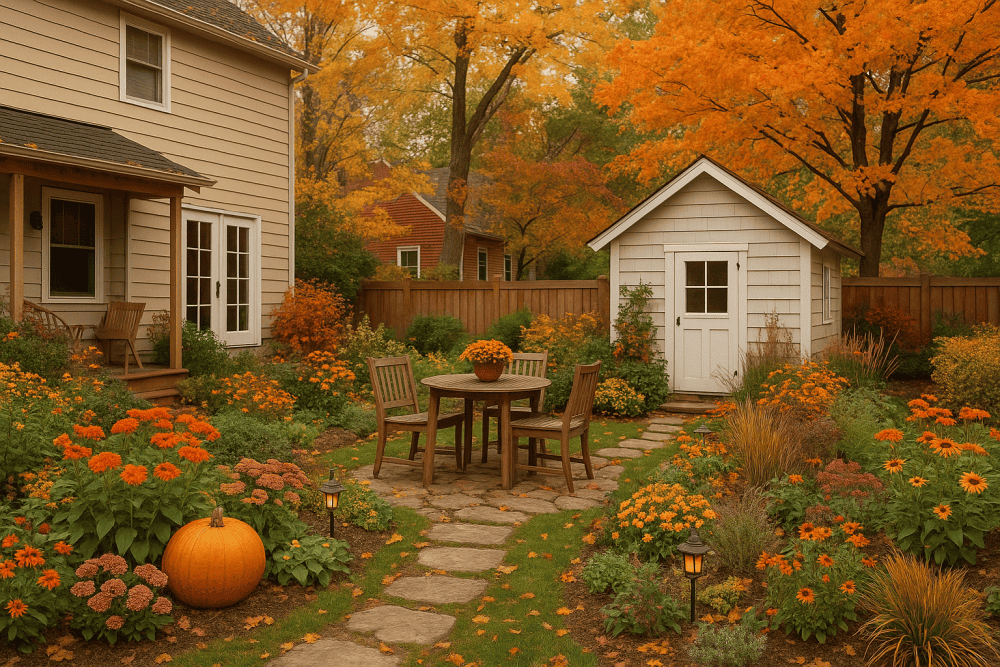
A romantic cottage garden thrives when it receives year-round attention. Seasonal care ensures blooms stay vibrant, soil remains fertile, and wildlife continues to visit. Here’s a detailed month-by-month guide to keep your cottage garden beautiful and healthy throughout the year.
January: Planning and Protection
- Review last year’s successes and plan new plantings.
- Order seeds and bulbs for spring planting.
- Check protective coverings on tender plants and ensure mulch is in place to guard roots.
- Clean and sharpen garden tools for the year ahead.
February: Prepare for Early Plantings
- Start seeds indoors for cool-season crops like lettuce and peas.
- Prune dormant roses, fruit trees, and shrubs.
- Check soil moisture around evergreens and water during dry spells.
- Inspect arbors and trellises, repairing any damage before spring growth.
March: Early Blooms and Soil Prep
- Plant early spring bulbs if not already done in fall.
- Refresh mulch to lock in moisture and suppress weeds.
- Begin dividing perennials like daylilies or hostas to encourage vigorous growth.
- Fertilize established plants lightly to prepare for the growing season.
April: Spring Planting Season Begins
- Sow hardy annuals such as sweet peas and calendula outdoors.
- Plant roses, lavender, and peonies for lasting cottage charm.
- Install trellises for climbing plants like clematis and honeysuckle.
- Weed regularly to stay ahead of unwanted growth.
May: Full Bloom Preparations
- Thin seedlings to avoid overcrowding and encourage healthy growth.
- Stake tall perennials like delphiniums and foxgloves.
- Add companion flowers such as marigolds to attract pollinators and deter pests.
- Begin regular watering as temperatures rise, focusing on early mornings.
June: Peak Garden Growth
- Deadhead spent blooms on roses and perennials to extend flowering.
- Harvest early vegetables and herbs for continuous production.
- Monitor for pests like aphids and treat with organic solutions.
- Add colorful container plants to patios for extra cottage charm.
July: Maintain and Enjoy
- Water deeply during hot spells, especially for new plantings.
- Fertilize mid-season bloomers to keep flowers vibrant.
- Trim lavender and other herbs after flowering to encourage new growth.
- Refresh mulch to conserve moisture and maintain neat beds.
August: Late-Summer Care
- Collect seeds from annuals like nasturtiums and cosmos for next year.
- Continue deadheading to prolong blooms.
- Begin planting fall-flowering perennials such as asters and chrysanthemums.
- Prune climbing roses lightly to keep them tidy.
September: Transition to Fall
- Plant cool-weather vegetables like kale, spinach, and carrots.
- Divide and transplant overgrown perennials.
- Add ornamental grasses for fall interest and texture.
- Clean up fallen leaves to prevent disease.
October: Prepare for Dormancy
- Plant spring-blooming bulbs such as tulips and daffodils.
- Cut back faded perennials and add compost to enrich soil.
- Protect tender plants with mulch or coverings.
- Drain and store garden hoses before frost.
November: Winter Readiness
- Rake and compost fallen leaves for mulch or soil enrichment.
- Check protective coverings on roses and shrubs.
- Store garden furniture and decorative elements to prevent weather damage.
- Plant hellebores and other winter bloomers for cold-season beauty.
December: Reflect and Rest
- Walk your garden and make notes for next year’s improvements.
- Enjoy evergreen shrubs and holly berries that bring color to winter.
- Decorate arbors and trellises with lights for seasonal cheer.
- Take a break to appreciate the year’s work and plan for a flourishing spring.
By following this monthly guide, your cottage garden will remain vibrant, organized, and bursting with life year-round. A little consistent effort ensures the romantic beauty of your garden never fades.
For more inspiration and detailed planting advice, visit Seasonal Planting Guides, Flowering Plants, and Perennials.
