
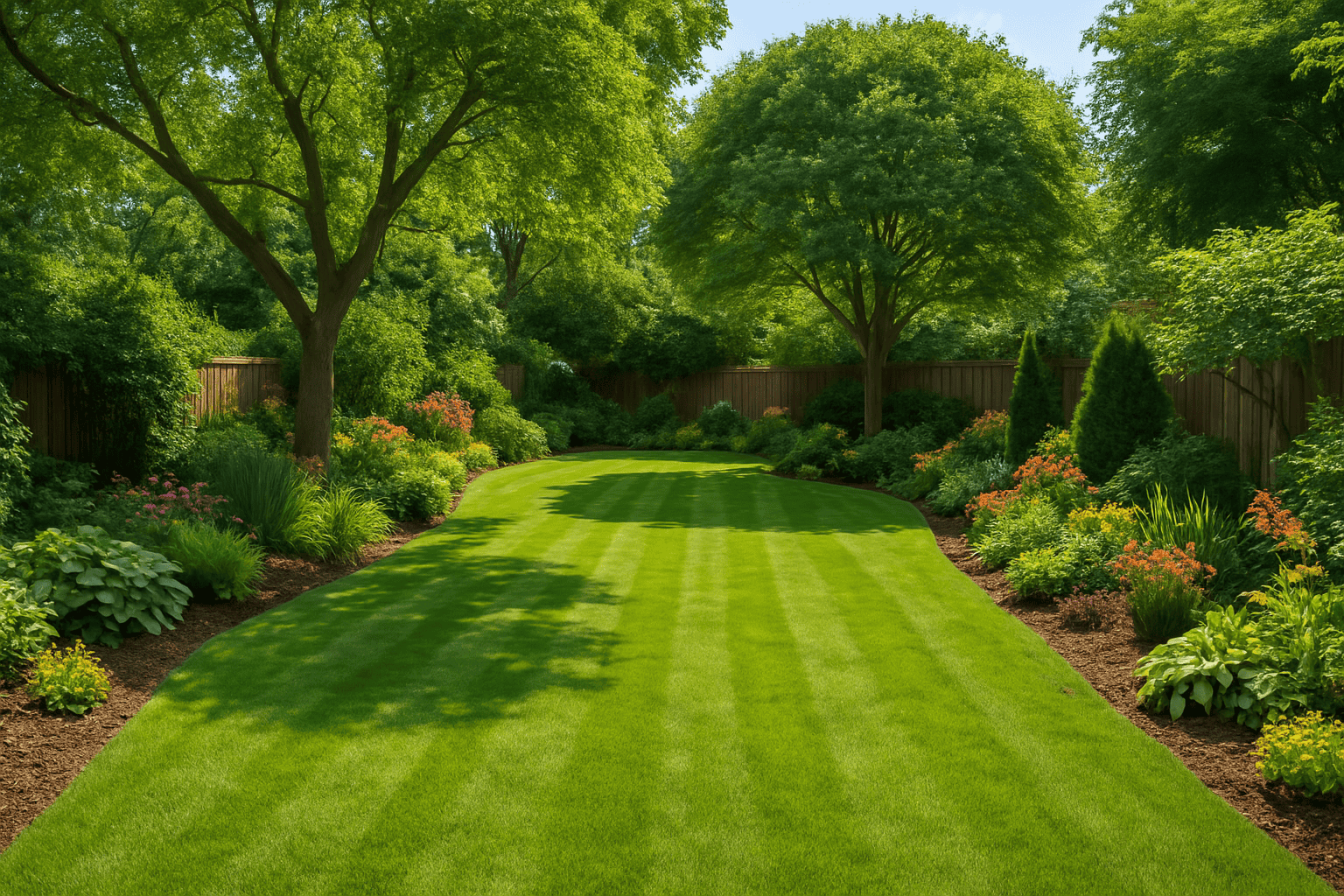
Backyard Garden Layout Mistakes to Avoid
Planning a backyard garden layout is exciting. but even the most enthusiastic gardener can fall into common traps that sabotage long-term success. From poor drainage to overcrowded beds, small missteps can lead to wasted time, money, and frustration.
In this guide, we'll cover the most frequent backyard garden layout mistakes and how to avoid them, ensuring your landscape is as functional and beautiful as it is flourishing.
1. Ignoring Sunlight Patterns
The Mistake:
Planting sun-loving vegetables or flowers in shaded areas, or vice versa.
How to Avoid It:
- Track sun and shade across your yard over a full day before designing
- Match plant needs with sun exposure
- Use taller plants or trellises to shade sensitive crops
2. Overcrowding Plants
The Mistake:
Packing too many plants too closely, which leads to poor air flow, disease spread, and competition for nutrients.
How to Avoid It:
- Read plant tags and follow spacing recommendations
- Consider the mature size of each plant, not just seedlings
- Leave room for airflow and garden access
3. Poor Drainage Planning
The Mistake:
Designing beds or patios in low-lying areas that hold water.
How to Avoid It:
- Observe yard after a heavy rain to identify pooling zones
- Raise beds, slope ground away from structures, or install French drains
- Use gravel or permeable materials for patios and walkways
4. Disorganized Garden Layout
The Mistake:
No clear plan for paths, beds, or zones, leading to maintenance headaches and awkward navigation.
How to Avoid It:
- Sketch your garden before digging
- Create defined paths between beds (18-30 inches wide)
- Group plants by water and sun needs
5. Planting Without a Focal Point
The Mistake:
No visual center leads to a layout that feels chaotic or dull.
How to Avoid It:
- Add a central feature like a tree, sculpture, raised bed, or fountain
- Design beds or seating areas to radiate or lead toward that feature
6. Forgetting the Future Growth
The Mistake:
Trees or shrubs planted too close to structures or each other.
How to Avoid It:
- Check the mature width and height before planting
- Leave room for air circulation and root spread
- Avoid planting trees within 10-15 feet of your home's foundation
7. Underestimating Maintenance Needs
The Mistake:
Choosing high-maintenance plants or layouts without the time or tools to care for them.
How to Avoid It:
- Focus on low-maintenance options like native plants, mulched beds, and drip irrigation
- Start small and scale up as comfort and time allow
- Add automated watering systems where possible
8. Skipping Soil Prep
The Mistake:
Building beds or planting flowers without amending poor-quality soil.
How to Avoid It:
- Test your soil before planting (pH, structure, nutrients)
- Add compost or organic matter to enrich beds
- Till or loosen compacted soil for better root development
9. Forgetting Utility Access
The Mistake:
Planting over or around utility boxes, meters, and septic systems.
How to Avoid It:
- Mark utilities before digging
- Leave access paths to water spigots, HVAC units, and tool sheds
- Keep shrubs and trees clear of overhead wires or underground lines
10. Too Much Hardscaping or Not Enough
The Mistake:
Unbalanced designs that feel either barren (too much stone) or messy (no walkways).
How to Avoid It:
- Use hardscaping to create structure and access, not to overwhelm
- Combine patios, stepping stones, and mulch paths with plantings
- Soften edges with ornamental grasses or ground covers
11. No Consideration for Views and Privacy
The Mistake:
Blocking sightlines or exposing too much to neighbors.
How to Avoid It:
- Frame views from patios or windows with plantings
- Use hedges, lattice, or trees to create visual buffers
- Consider sightlines both inside and outside the yard
12. Lack of Year-Round Interest
The Mistake:
Planting only spring or summer bloomers, leaving your yard bare in fall and winter.
How to Avoid It:
- Mix in evergreens, ornamental grasses, and winter berries
- Use hardscaping and containers for off-season visual interest
- Plant in succession for extended bloom periods
Related Reading
FAQs About Garden Layout Mistakes
What's the most common beginner garden layout mistake?
Overcrowding plants and not accounting for mature size. Always leave more room than you think you need.
How can I fix poor drainage after my garden is already planted?
Add raised beds, install a French drain or dry creek bed, and top-dress with compost to improve soil structure.
Can I move plants if I placed them in the wrong spot?
Yes, transplanting is often successful if done during the cooler seasons with proper watering and soil care.
Avoid costly mistakes and get the most from your outdoor space. Contact Yard and Soil for expert design help and custom garden layouts that work - from day one and for years to come.