
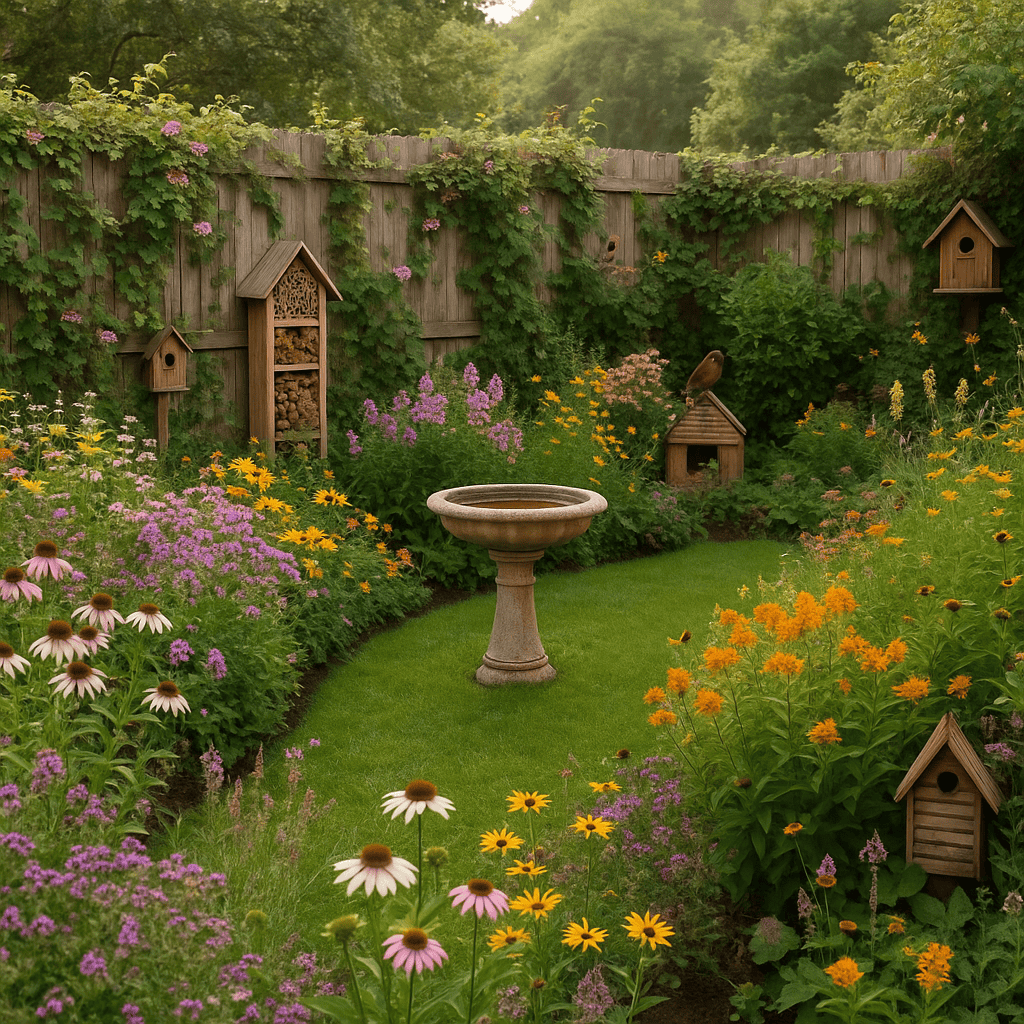
Pollinator-Friendly Backyard Garden Layouts
If you want a vibrant, living landscape that benefits both you and the environment, designing a pollinator-friendly garden layout is the way to go. Not only do these gardens support local ecosystems by feeding bees, butterflies, and hummingbirds, but they also produce healthier vegetables, more flowers, and increased biodiversity.
In this post, we'll explore how to layout your backyard to become a haven for pollinators, with thoughtful design, proper plant selection, and plenty of seasonal color.
Why Pollinator Gardens Matter
Pollinators are responsible for the success of roughly 75% of all flowering plants and nearly 35% of global food crops. But habitat loss, pesticides, and monoculture farming have drastically reduced pollinator populations.
Designing a garden layout that welcomes pollinators helps:
- Restore native habitats
- Increase flower and vegetable yields
- Improve biodiversity in your backyard
- Educate others on ecological gardening
Key Principles of Pollinator Garden Layouts
1. Provide a Continuous Bloom
Design with layers of seasonal bloom to support pollinators spring through fall:
- Early spring: Crocus, daffodils, primrose
- Summer: Coneflowers, bee balm, lavender
- Fall: Goldenrod, asters, sedum
2. Use Native Plants
Local pollinators evolved alongside native flora:
- Better adapted to local climate
- Require less water and maintenance
- Attract native bees, butterflies, and birds
Contact your local extension office or nursery for native plant recommendations.
3. Plant in Clusters
Mass plantings of the same species (3-7 plants per group) are easier for pollinators to find and feed on.
4. Provide Shelter and Nesting Zones
- Leave some bare soil or patches of dead wood
- Include hollow stems, brush piles, or bee hotels
- Choose shrubs and small trees for cover
5. Avoid Pesticides and Herbicides
Use organic, pollinator-safe alternatives and integrated pest management techniques.
Pollinator Garden Layout Ideas
1. Border Garden with Seasonal Layers
- Layout long beds along fences or walkways
- Front row: creeping thyme, dwarf coreopsis
- Mid row: echinacea, rudbeckia, bee balm
- Back row: butterfly bush, joe-pye weed
2. Island Bed in the Middle of Lawn
- Circle or oval-shaped raised bed or mound
- Center: flowering shrub (e.g., buttonbush, serviceberry)
- Surround with milkweed, salvia, and penstemon
- Edge with creeping phlox or native grasses
3. Vegetable Garden with Companion Flowers
- Interplant marigolds, borage, nasturtiums, calendula
- Add basil and thyme borders
- Use flowering herbs to attract bees for better crop yields
4. Woodland Edge Pollinator Patch
- Use part-sun native options like columbine, wild geranium, ferns
- Add stepping stone path and seating for a tranquil experience
- Ideal near shady property lines
5. Pollinator Pocket Garden
- Design a 4x4 or 6x6 ft square for patios or urban yards
- Include 4-5 flower species that bloom in different seasons
- Use containers or raised beds with compost-rich soil
Best Plants for a Pollinator Garden
Native Perennials:
- Purple coneflower
- Black-eyed Susan
- Milkweed (Asclepias spp.)
- Coreopsis
- Wild bergamot
Annuals:
- Zinnias
- Cosmos
- Sunflowers
- Calendula
Herbs:
- Lavender
- Basil
- Oregano
- Thyme
- Borage
Flowering Shrubs:
- Butterfly bush (non-invasive types)
- Buttonbush
- Elderberry
- Serviceberry
Garden Features That Support Pollinators
- Water source: Birdbaths, shallow dishes with stones for landing
- Bee hotels: DIY blocks or store-bought nesting tubes
- Deadheading: Extend bloom times by removing spent flowers
- Bare soil: Leave some undisturbed space for native bees to nest
Tips for Layout Planning and Maintenance
- Plan paths to weave between beds for observation
- Group high-traffic plants near patios for viewing
- Keep a pollinator journal to track species and bloom times
- Mulch with compost to nourish soil without chemicals
Related Reading
FAQs About Pollinator Garden Layouts
Can I have a pollinator garden in a small backyard?
Absolutely. Even a few containers filled with nectar-rich flowers can support bees and butterflies. Focus on diversity and bloom sequence.
Are pollinator gardens high maintenance?
No. Many native plants thrive on minimal care once established. Mulching and seasonal cleanup are usually all that's required.
Will a pollinator garden attract pests?
Not necessarily. Most insects drawn to pollinator plants are beneficial. Use companion planting and biodiversity to balance the garden naturally.
Want a vibrant backyard that supports bees, butterflies, and your garden's productivity? Contact Yard and Soil to create a customized pollinator garden layout that's eco-friendly, beautiful, and buzzing with life.